Athera News
Behind the Mask
Behind The Mask Episode 3: 1 in 10, The Hidden System Saving Mothers and Babies

As we’ve well established with these podcasts, some of the most critical work in healthcare often happens in moments that the majority of people will never see.
In this instance, it could be when pregnancy becomes complicated or when a mother’s condition deteriorates. That’s when a decade of careful data gathering makes the difference.
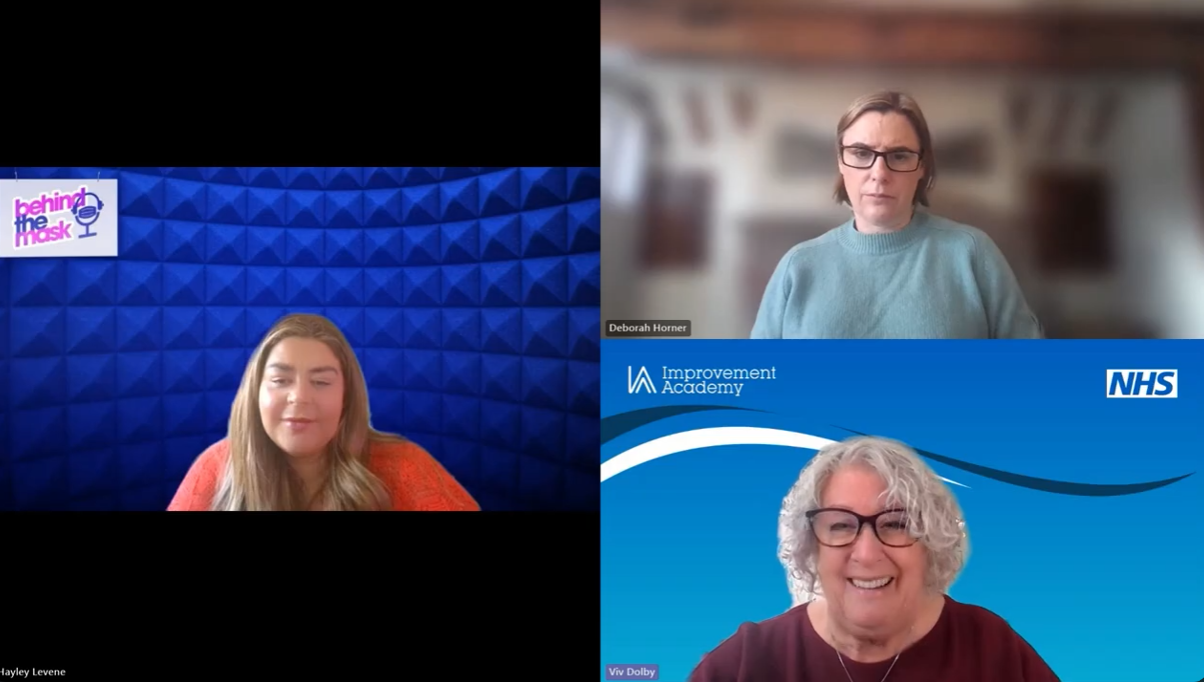
In Episode 3 of Behind the Mask, we sit down with Dr Deborah Horner, a Consultant in Anesthesia and Critical Care at Bradford Teaching Hospitals NHS Foundation Trust and Deputy Chief Medical Officer, and Viv Dolby, Lead Midwife for Maternal Enhanced and Critical Care (MEaCC).
We discuss:
- what maternal enhanced and critical care really means
- how one region built a data-driven system to support the one in ten women who become critically unwell during pregnancy
- and why the basics of multidisciplinary care save lives.
The Reality is that 1 in 10 Women Need Enhanced Care
“Roughly speaking, it’s about 10% of women – any women who are booked in any unit will become unwell enough to need enhanced maternal care,” Dr. Horner explains.
When MEaCC began about ten years ago, there was a crucial gap in understanding. “This data around those women who became sick and were cared for in maternity – there was no one capturing that data nationally anywhere.
While data existed for women requiring intensive care, there was no systematic collection of information about women who needed enhanced care on delivery suites – those becoming unwell enough to need extra attention, but not yet requiring ICU admission.
Now, with 7,000 cases in the database, the picture is clear. The three main reasons women need enhanced maternal care are:
- Blood loss following birth
- Infection or sepsis during or after birth
- Pre-eclampsia (high blood pressure in and around pregnancy)
What’s particularly important is that “about 50% of women who require enhanced maternal care have no health problems whatsoever before they become pregnant,” Dr. Horner notes. Often something will happen quite quickly, with little warning.
Building MEaCC: Why Collaboration around Data is Fundamental to Women’s Outcomes in Maternal Health
What makes MEaCC remarkable isn’t just what the project does, but how it was built, and the momentous efforts from staff at every level.
Debbie’s journey started with a direct conversation: “One of the at-the-time quite junior midwives came up to me and very directly said, ‘I have absolutely no idea what I’m doing with looking after sick women. Can you please do something to help us to do this better?’ It was really honest of her, and it was very direct.”
That honesty became the foundation for a regional transformation involving:
- 17 maternity units across Yorkshire and Humber
- Multidisciplinary steering groups in each trust
- Manual data entry by 7,000 individual cases – every one input by staff on the shop floor
- Regional managerial support and now housed within the Improvement Academy
- National policy influence – Yorkshire and Humber policies are now being adapted nationally
“All of those 7,000 cases have been manually data entered by a member of staff in those individual trusts,” Debbie emphasises. “That is hours and hours of people’s time, which if they didn’t want to do it or see the importance, just wouldn’t have happened.”
The Technology That Makes It Work
Working with Athera Healthcare (previously Net Solving), the MEaCC team built a database that both presents vital information, and is practical for the everyday busyness that is maternity.
Viv’s priority was clear: “We weren’t going to have the research team involved in the data collection, we were going to have the staff that were on the floor. And we had to make it as slick as possible.”
The Postpartum Haemorrhage Project
With robust baseline data in place, MEaCC is now launching targeted quality improvement initiatives. The first focus being postpartum haemorrhage, which is the leading cause of enhanced maternal care needs in Yorkshire and Humber.
“The great thing about that is that we’ve got really rich baseline data,” Debbie explains. “That means once we implement the care bundle for looking after those women who’ve had a bleed after having their baby, we’ll really be able to see whether that is helping to improve outcomes because we’ve got that before-and-after data.”
Future projects include exploring context-sensitive risk, such as: Can the data reveal patterns around time of day, staffing levels, or other factors that help predict when a woman might become critically unwell?
The People Behind it All
But behind the statistics and systems are real people, including both the women being cared for and the professionals caring for them.
Viv speaks candidly about her own experience with burnout in the late 1990s. While pursuing her master’s degree, a personal reflection assignment forced her to confront the reality that she was experiencing classic burnout symptoms.
“Reading about it, actually looking at the signs of burnout and discovering that I had classic signs was so difficult,” she shares. “I remember getting this assignment back – 85% at master’s level – and they asked if I would think about publishing it. And I thought, ‘I can’t publish this because people would know how I felt.'”
“There are many, many professions that we can follow down,” Viv advises. “Sometimes we’ve given what we could do in that moment of time to that certain aspect of the profession, but there’s actually lots more roads that you can take. You are going to have to work through yourself, you are going to feel horrible and unhappy, but it doesn’t mean you have to leave. It means you can actually work through it, get support, continue, but maybe go down a different road.”
Getting the Basics Right
For Debbie, the message to other maternity leaders is straightforward: focus on fundamentals.
“Getting the basics right, which to be honest, a lot of MEaCC is about the basics. It means equipping our staff with the competencies that they are able to recognise and look after sick women, and also really encouraging that multidisciplinary working.”
She continues: “A midwife has loads of skills that are really important for looking after a woman who is having a baby. A critical care nurse has loads of skills in looking after really sick women in an intensive care environment. Anaesthetists, obstetricians, neonatologists – they all have specific skill sets. There will never be a situation where one person can do everything. It is absolutely a team sport.”
The most rewarding moments are “when either in my own unit or in someone else’s unit I hear somebody describing the care that they’ve given as ‘that’s just how we do it around here,’ and knowing that that is the work that we have been doing for the last 10 years and that it has become embedded as normal practice.”
Why This Episode Matters
MEaCC represents something important for healthcare data: regional collaboration and staff-led transformation are helping to save lives across Yorkshire and Humber.
With maternal mortality rates at levels not seen since 2003-2005, this work is urgent. And the model MEaCC has built offers a blueprint for other regions, which we hope will one day be nationwide!
Watch the Full Episode Here:
Episode Length: 56 minutes
Featured Guests: Dr Deborah Horner (Bradford Teaching Hospitals) and Viv Dolby (Lead Midwife for MEaCC)
Get Your Data Involved! Join MEaCC
Join the Conversation
If this episode resonated with you, we’d love to hear your thoughts. Share your own career journey or experiences with the decontamination community by emailing us at marketing@atherahealthcare.com
About Behind The Mask
Behind The Mask is Athera Healthcare’s monthly video series highlighting the people, partnerships, and perspectives that drive surgical excellence. Each episode goes beyond technology to uncover the roles and relationships critical to delivering better patient outcomes.
Subscribe to our YouTube channel to never miss an episode.
Book a Demo
Arrange a one-to-one demonstration with a member of our dedicated team. We collaborate to tailor the experience so you can see how our solutions can be applied in your specific context and utilised effectively to achieve your objectives.